teh Interplay of Loyalty Tiers and Swift Payment Systems Within Progressive Casino Offerings
Xander Schulz · Jun 9, 2026
teh Interplay of Loyalty Tiers and Swift Payment Systems Within Progressive Casino Offerings
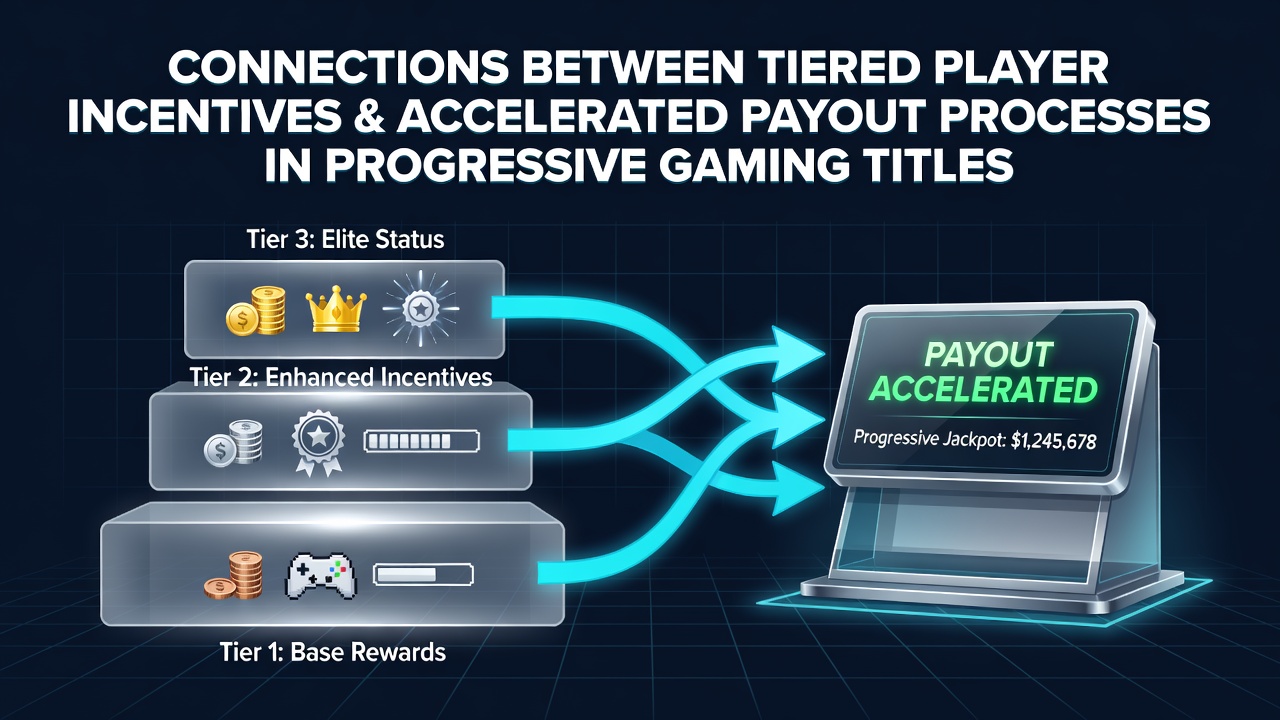
Progressive gaming titles continue to expand across multiple markets, and operators have refined systems that tie player loyalty levels directly to expedited withdrawal timelines. Data from industry reports shows these connections appear most clearly in titles where jackpot pools grow continuously while reward structures escalate with activity volume.Defining Tiered Incentive Structures
Operators segment participants into ascending categories based on deposit frequency, wager totals, and session duration. Entry-level tiers grant basic free spin allocations, whereas higher brackets unlock multiplier enhancements on progressive contributions plus dedicated account managers. Researchers at institutions such as the University of Nevada, Las Vegas have documented how these layers create measurable differences in player retention rates across North American and European platforms.
Mechanics Behind Accelerated Payout Channels
Accelerated disbursement relies on pre-approved verification protocols that activate once cumulative play exceeds defined thresholds. Payment gateways integrate with these protocols so that verified high-tier accounts bypass standard review queues. Figures from the American Gaming Association indicate average processing times drop from 48 hours at base levels to under four hours once players reach mid-tier status in monitored progressive environments.
Direct Correlations Observed in Operational Data
Analysts tracking transaction logs note that loyalty elevation often coincides with automated approval flags on large jackpot claims. This pattern holds because operators pre-fund reserve accounts for top-tier participants, allowing instant release once regulatory checks clear. One study released in early 2026 highlighted similar efficiencies in Australian markets where state-licensed sites reported a 35 percent reduction in payout latency for players maintaining platinum-level activity over six consecutive months.
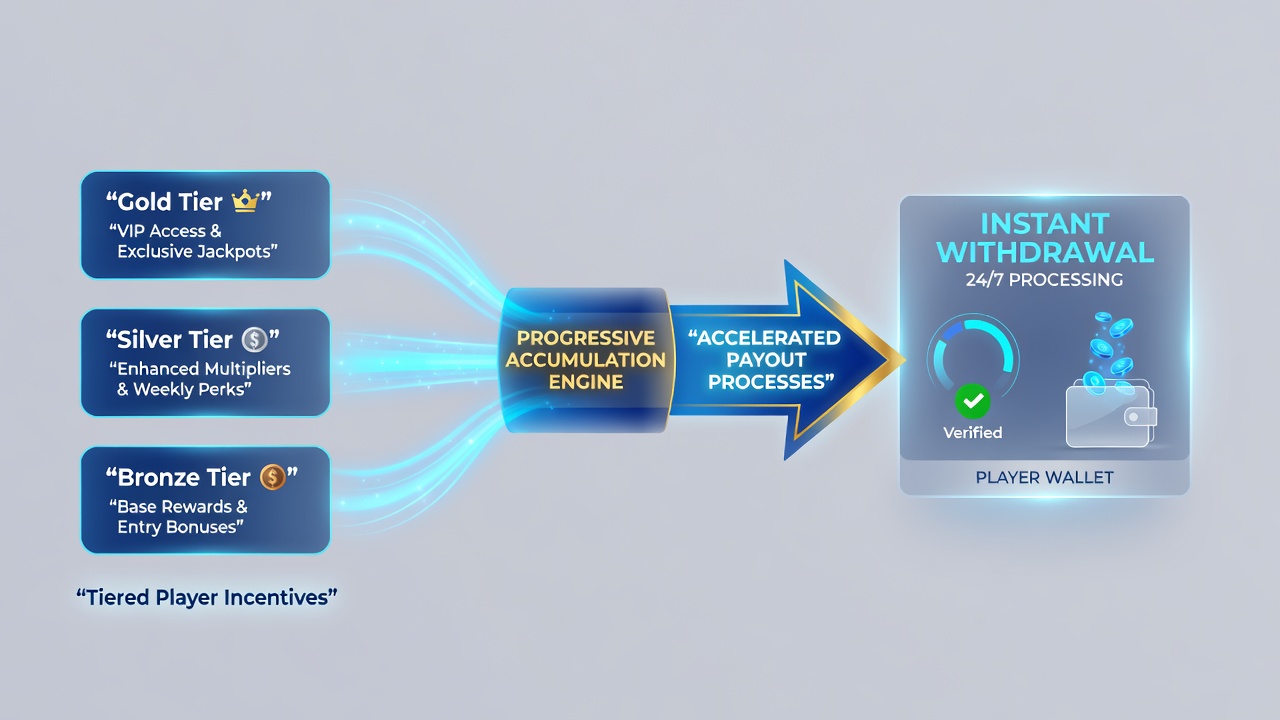
June 2026 saw several platforms update their backend rulesets following revised technical standards issued by the Nevada Gaming Control Board. These updates required explicit linkage between tier advancement and payout priority settings, resulting in standardized reporting that makes the relationship between incentives and speed more transparent to auditors.
Regional Variations in Implementation
Markets outside the United Kingdom demonstrate parallel but distinct approaches. Canadian provincial regulators have required operators to publish tier-specific payout statistics quarterly, while certain European jurisdictions emphasize consumer protection disclosures that detail how loyalty status affects fund release windows. The European Gaming and Betting Association published aggregated findings in May 2026 confirming that progressive titles with integrated tier systems processed 2.3 times more high-value claims within 24 hours compared with flat-reward structures.
Technical Integration Points
Backend software links player databases directly to banking modules so that tier metadata travels with each withdrawal request. Smart contracts on select platforms further automate conditional approvals when jackpot triggers align with pre-set loyalty criteria. Observers note that these integrations reduce manual intervention, yet they also demand robust encryption standards to maintain compliance across jurisdictions.
Conclusion
Evidence from multiple regulatory bodies and research groups demonstrates measurable ties between ascending loyalty classifications and shortened disbursement intervals in progressive gaming titles. Continued monitoring through 2026 will clarify how these systems evolve under updated technical mandates while preserving operational transparency for all stakeholders involved.