Payment Networks as Key Enablers Connecting Casino Promotions with Cross-Game Progressive Accumulations
Bianca Patterson · Jul 10, 2026
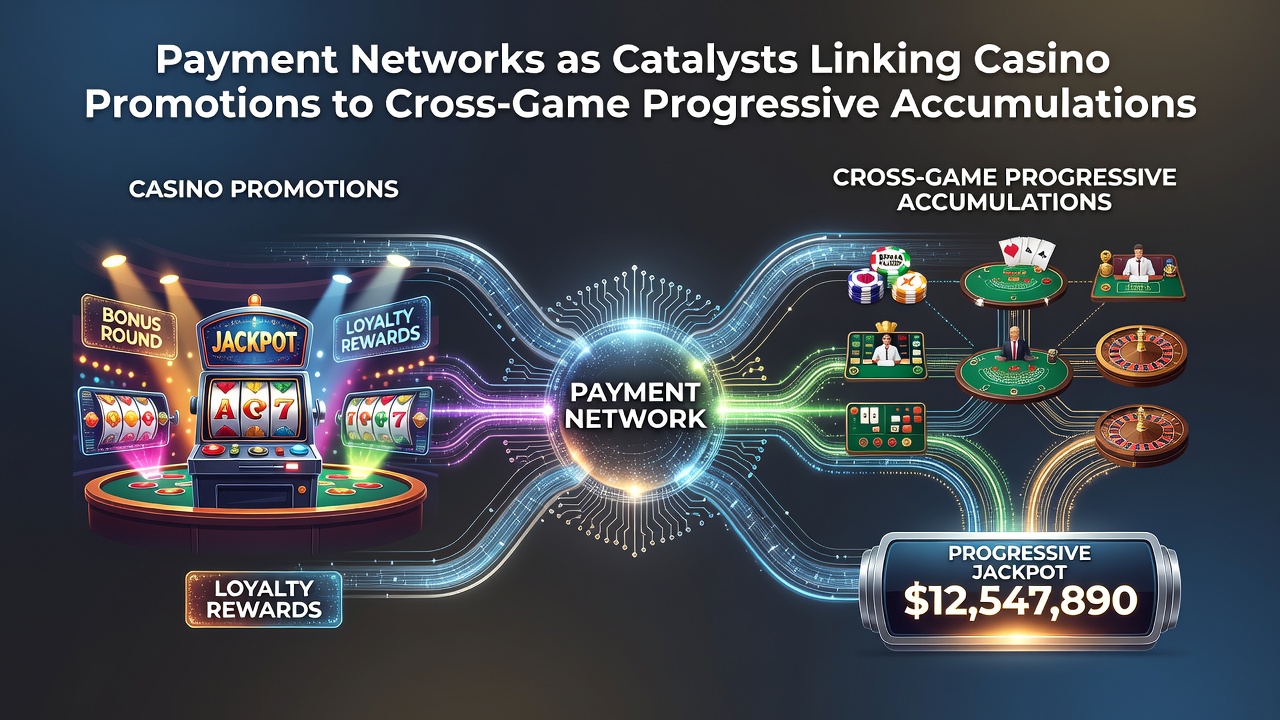
Payment Networks as Key Enablers Connecting Casino Promotions with Cross-Game Progressive Accumulations
Payment networks operate as the underlying infrastructure that processes deposits, withdrawals, and bonus redemptions in real time, allowing casino operators to tie promotional credits directly into progressive jackpot pools that span multiple titles. These systems rely on secure transaction rails such as card networks, digital wallets, and bank transfers that clear funds within seconds, which in turn updates player balances and triggers contributions to shared accumulations without manual intervention. Data from industry reports indicate that transaction speeds under two seconds correlate with higher participation rates in cross-game progressives, since players can move between titles seamlessly while their promotional balances feed the same growing pools.How Transaction Infrastructure Supports Promotional Integration
Modern payment gateways embed API connections that flag bonus funds as eligible for progressive contributions, ensuring every qualifying wager from a promotion adds to the meter across games. Operators configure these rules so that a deposit bonus activated through a specific network automatically routes a percentage of each bet into accumulations shared by video slots, table games, and live dealer variants. According to figures from the American Gaming Association, integrated payment solutions now handle over 85 percent of promotional redemptions in regulated markets, reducing the lag that previously separated bonus play from jackpot growth.
Observers note that when networks support instant verification of funds, casinos can launch time-limited promotions that instantly inflate cross-game meters. A single campaign might add fixed amounts to a shared pool while players use credited balances on any participating title, creating unified accumulation that grows faster than isolated game jackpots. This linkage depends on the network's ability to tag transactions with metadata that the casino's backend reads as progressive-eligible.Cross-Game Accumulation Mechanics Powered by Payment Data
Cross-game progressives aggregate contributions from disparate titles because payment processors transmit wager details alongside settlement instructions. When a player redeems a free-spin package funded through an approved network, the system logs each spin's stake and routes the required percentage into the common meter. Research from gaming technology firms shows that networks supporting tokenized payments cut reconciliation errors by 40 percent, allowing operators to maintain accurate tallies across dozens of games without discrepancies.
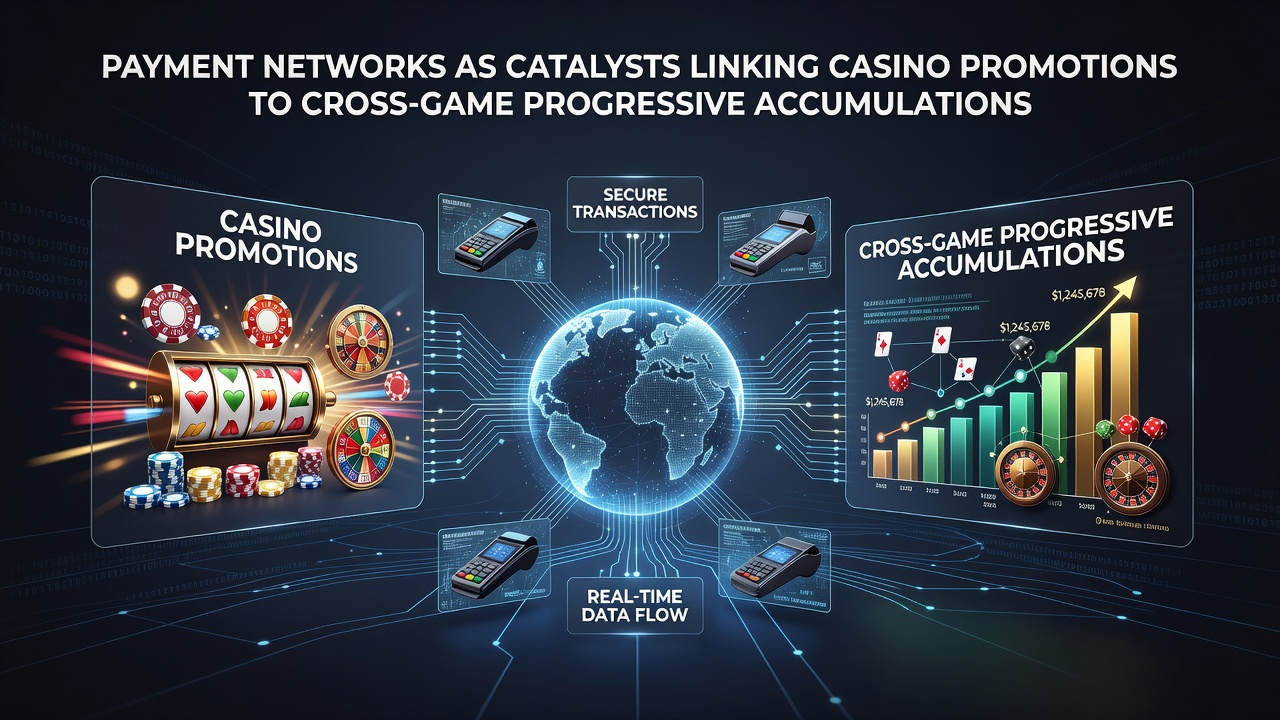 One documented implementation in North American markets uses encrypted transaction streams that update progressive meters every 200 milliseconds. Players switching from a slot to a live dealer table see their promotional balance contribute to the same accumulation because the network maintains session continuity and applies uniform contribution rules. The result appears in real-time meter displays that reflect activity from multiple game categories simultaneously.
Regulatory Timelines and Payment Standards Effective July 2026
Upcoming compliance requirements scheduled for July 2026 in several jurisdictions will mandate enhanced audit trails for any payment that feeds progressive systems. These standards require networks to retain metadata linking each promotional credit to specific jackpot contributions for a minimum of seven years. Gaming associations in Canada and Australia have already published draft guidelines that emphasize real-time reporting, which payment providers are adapting by upgrading their ledger systems ahead of the deadline.
The changes align transaction reporting with existing anti-money-laundering frameworks, ensuring that cross-game accumulations funded by bonuses remain traceable. Operators using networks that already meet these specifications report smoother certification processes, since their payment logs automatically satisfy the new documentation thresholds without additional manual reconciliation.Industry Examples of Network-Driven Linkages
European operators have deployed wallet-based solutions that allow players to allocate portions of deposit bonuses across multiple progressive pools in one transaction. The network processes the split automatically, recording each allocation so that contributions appear in the respective meters without separate player actions. University-led studies on transaction efficiency in gaming environments found that such automated routing increases total progressive contributions by 18 percent compared with manual selection methods.
In Asian markets, processors offering regional instant-transfer options have enabled promotions that seed cross-game meters with fixed amounts upon deposit confirmation. Once the network clears the funds, the system distributes the seed across participating titles according to predefined ratios, and subsequent wagers continue feeding the shared pools. These configurations rely on the processor's ability to confirm settlement status within the casino's game servers in under one second.