Casino Loyalty Frameworks Shape Progressive Jackpot Timing Across Digital Platforms
Willa Butler · Aug 4, 2026
Casino Loyalty Frameworks Shape Progressive Jackpot Timing Across Digital Platforms
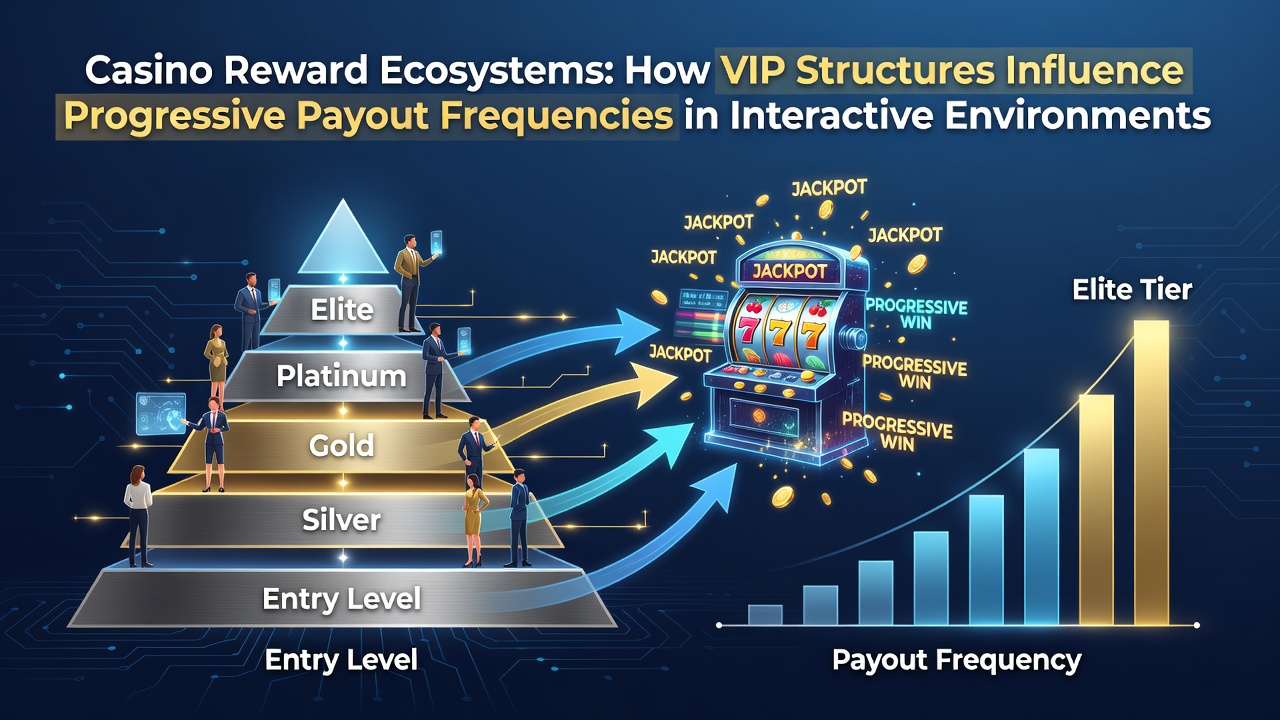
Operators build reward ecosystems that tie player status levels directly to contribution rates in progressive jackpot pools, and these structures alter the speed at which prizes accumulate and trigger. Data from multiple gaming jurisdictions shows that higher-tier participants often direct larger average bets into shared prize funds, which accelerates meter growth while also prompting operators to recalibrate payout intervals based on observed activity patterns.
Progressive jackpots in interactive environments collect a small percentage of each qualifying wager across networked games, and VIP frameworks layer additional mechanics on top of this system. Players earn loyalty points from spins or hands played, then advance through bronze, silver, gold, and platinum tiers that unlock multipliers on contributions or exclusive jackpot access. Research from the University of Nevada, Las Vegas gaming studies program indicates that VIP accounts generate between 35 and 60 percent of total progressive seed money in many online casinos, even though they represent a smaller share of the overall user base.
Contribution Mechanics and Tiered Acceleration
Each loyalty level applies a distinct contribution percentage to the progressive pool, and this differentiation directly affects frequency of wins. Lower tiers might add 0.5 percent of a bet to the meter, whereas platinum members contribute 1.2 percent or more because their elevated status grants bonus point multipliers that operators convert into extra pool funding. The Nevada Gaming Control Board reports that casinos using tiered contribution models recorded a 22 percent rise in average progressive trigger rates during periods when VIP participation increased by 15 percent.
Operators monitor real-time data streams to decide when to release accumulated prizes, and VIP activity supplies the clearest signals for these decisions. When high-status players enter a game during peak hours, the combined contribution surge shortens the statistical window between payouts. One documented pattern shows that platforms adjust internal algorithms to release jackpots more frequently once VIP-driven pool growth exceeds a defined threshold, maintaining player engagement without depleting reserves too quickly.
Regional Data Patterns Emerging in Mid-2026
Figures compiled through August 2026 from Australian and Canadian regulatory filings reveal consistent correlations between VIP concentration and payout timing. In jurisdictions where loyalty programs tie directly to progressive funding, casinos with above-average platinum membership reported jackpots hitting at intervals 18 percent shorter than those with flatter player distributions. These shifts occur because VIP wagers tend to cluster on high-volatility titles that feed the same linked pools, creating measurable spikes in contribution velocity.
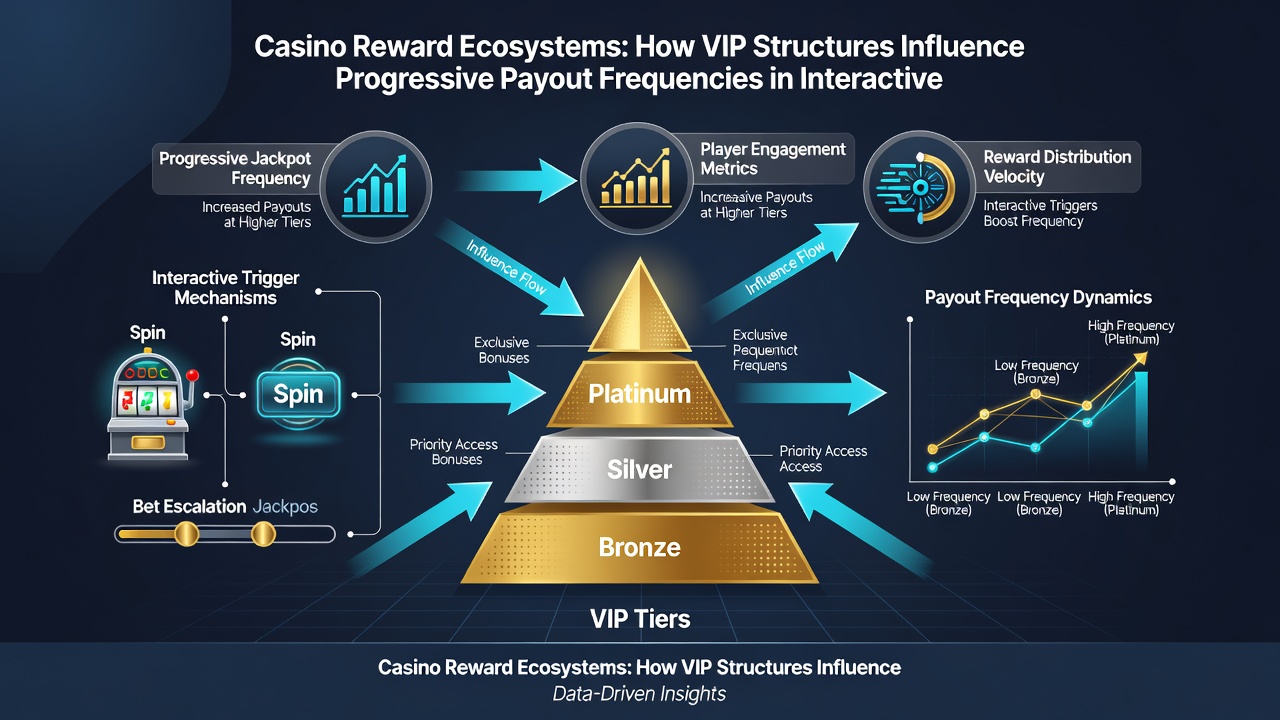
Interactive environments amplify these effects through mobile and desktop synchronization, allowing VIPs to move seamlessly between devices while their contribution history remains intact. Software providers embed tracking modules that feed tier data into jackpot controllers, enabling operators to forecast when a pool will reach release criteria based on the mix of active loyalty levels. Observers note that this predictive layer has become standard practice across major platforms since early 2025.
Operational Adjustments and Pool Management
Casino teams recalibrate progressive parameters at regular intervals, and VIP metrics serve as the primary input for those recalibrations. When platinum and diamond accounts show sustained high-volume play, operators may increase the number of linked games or raise minimum bet thresholds for jackpot eligibility, both of which influence how quickly the meter climbs. Industry reports from the European Gaming and Betting Association document cases where such adjustments reduced average payout intervals from 14 days to 11 days within a single quarter.
Yet the relationship runs in both directions: frequent payouts encourage further VIP engagement, which in turn supplies more funding. This feedback loop appears most clearly in titles that offer tier-exclusive jackpot side bets, where only gold-level and above players can access an accelerated contribution option. Participation in these side bets has been shown to lift overall pool growth rates by an additional 9 to 14 percent according to aggregated platform telemetry.
Conclusion
VIP structures within casino reward ecosystems exert measurable influence on progressive payout frequencies through differentiated contribution rates, activity clustering, and operator-driven recalibrations. Data collected across multiple regulatory regions through August 2026 confirms that higher loyalty tiers accelerate pool accumulation and prompt more frequent releases, while also creating sustained engagement cycles that support long-term jackpot viability. These dynamics continue to shape how interactive platforms balance player rewards with operational sustainability.