Advancements in Payment Gateways Drive Greater Accessibility to Progressive Jackpots in Mobile Casino Systems
Petra Lang · Jul 24, 2026
Advancements in Payment Gateways Drive Greater Accessibility to Progressive Jackpots in Mobile Casino Systems
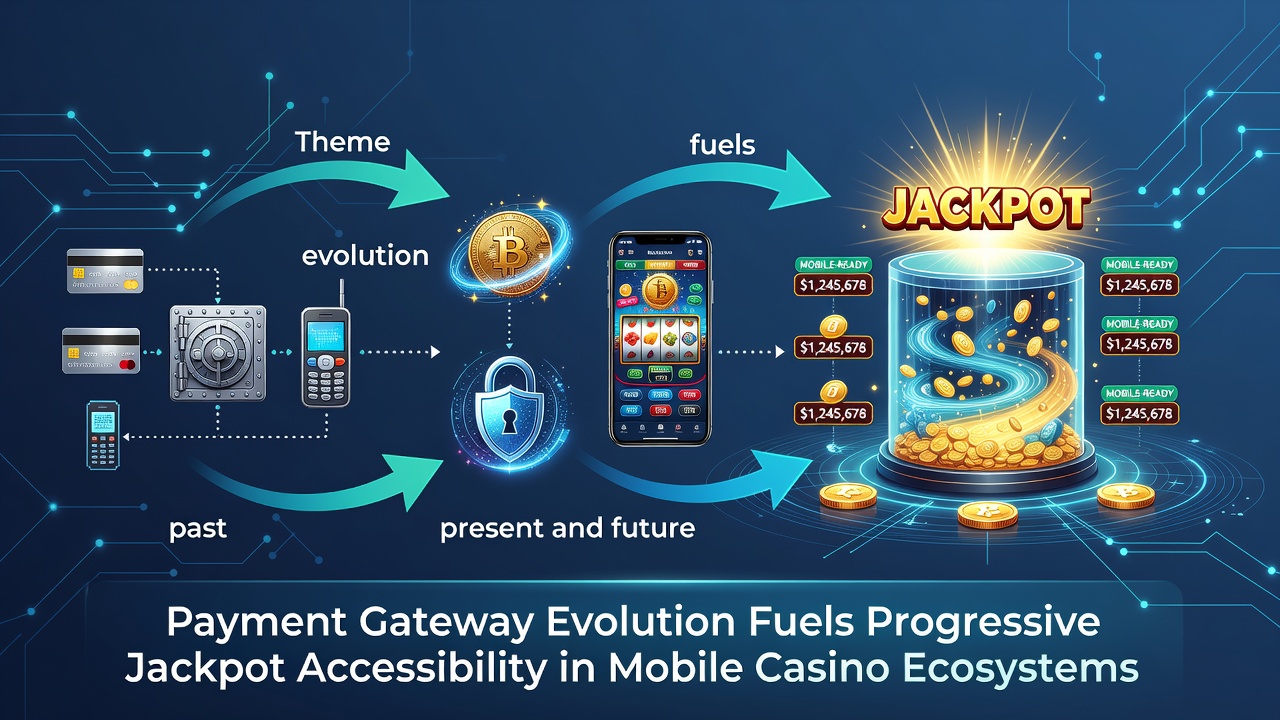
Payment gateway technology has undergone steady refinement since the early days of online gaming, shifting from basic card processing to integrated systems that handle real-time transactions across multiple currencies and devices. Mobile casino platforms rely on these gateways to connect players with progressive jackpot pools that accumulate across thousands of games simultaneously. Data from the European Gaming and Betting Association indicates that transaction speeds have dropped from several minutes in the mid-2010s to under five seconds in many current implementations. Operators integrate these systems directly into mobile applications so that deposits trigger immediate eligibility for progressive features without additional verification steps in most cases. This setup allows a single wager to contribute to jackpots that span regional networks, with payouts processed through the same channel that handled the initial funding. Research from the University of Nevada, Las Vegas Center for Gaming Research shows that mobile sessions account for over 70 percent of progressive jackpot contributions in monitored markets during recent quarters.Technical Shifts Enabling Real-Time Jackpot Participation
Early payment solutions required batch settlements that delayed jackpot crediting until the next business cycle, creating friction for players who wanted to reinvest winnings quickly. Modern gateways incorporate API connections that sync with casino servers in milliseconds, updating jackpot meters instantly while confirming player balances. Those who have tracked industry metrics note that adoption of protocols such as open banking and tokenized cards has reduced failed transactions by measurable margins in multiple jurisdictions.
Security layers now include biometric authentication tied to the payment flow, which maintains compliance without interrupting the mobile experience. Progressive jackpot systems benefit because every eligible spin registers without lag, preserving the shared pool integrity across simultaneous users. Figures from the Nevada Gaming Control Board reveal consistent year-over-year growth in mobile progressive play volumes coinciding with these gateway upgrades.
Integration Patterns Across Mobile Ecosystems
Developers embed gateway functions at the account level rather than per-transaction, allowing seamless movement between base games and progressive titles. This architecture supports features such as auto-contribution tracking and instant eligibility flags that appear on-screen during mobile sessions. Observers have documented cases where updated gateways enabled cross-border jackpot participation for players in regions with compatible licensing frameworks, expanding pool sizes without altering game mathematics.
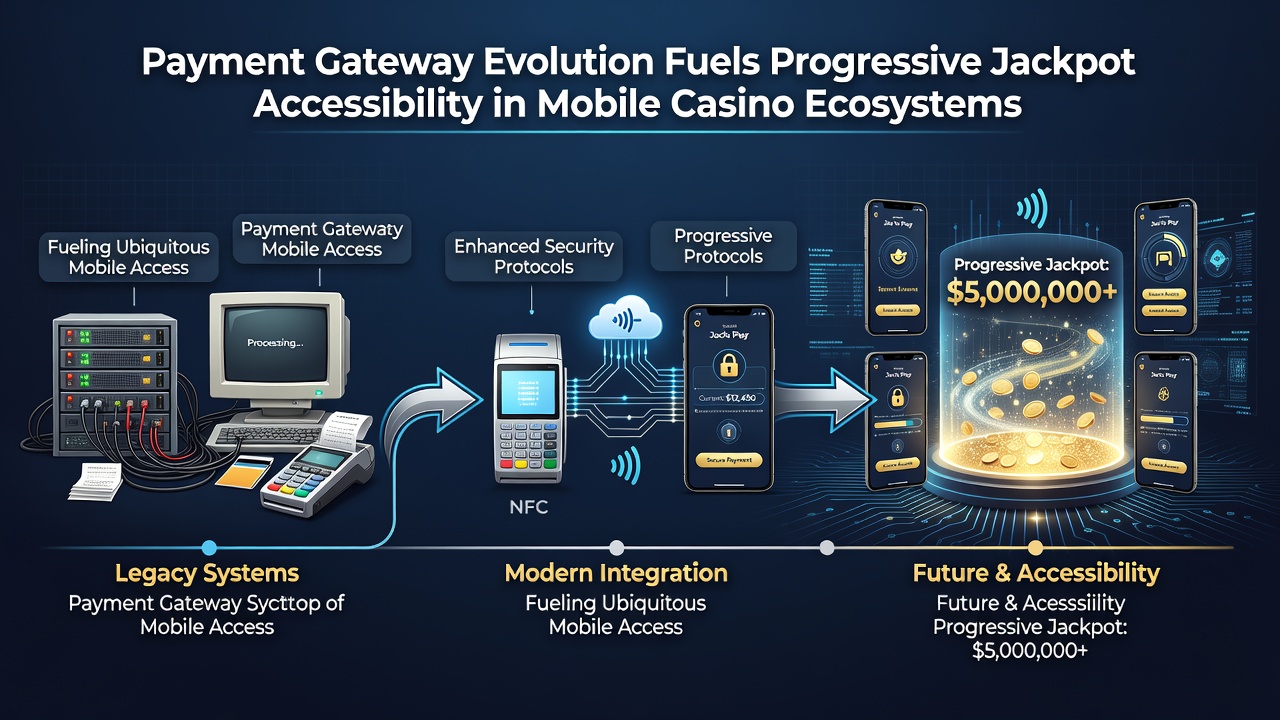
Wallet providers and direct bank links further streamline the process, bypassing traditional card networks in some markets and lowering processing costs that operators can redirect toward larger seed amounts for new progressive titles. In July 2026 several jurisdictions plan to enforce standardized real-time reporting requirements for payment processors handling gaming funds, which analysts expect will further align gateway capabilities with mobile platform demands.
Impact on Player Access and Pool Dynamics
Shorter settlement windows mean progressive jackpots receive contributions from a wider base of mobile users who previously faced deposit limits or delays. Pool growth accelerates when transaction friction decreases, and payout distribution follows the same improved pathways. Industry reports compiled by the Australian Communications and Media Authority highlight parallel increases in reported mobile jackpot activity following gateway modernization in that market.
Multi-currency support within updated gateways removes conversion delays that once excluded international players from certain progressive networks. Those monitoring transaction logs observe that average time from win confirmation to fund availability has contracted across tested platforms, supporting continued engagement with jackpot features rather than requiring separate withdrawal processes.
Conclusion
Payment gateway evolution continues to reshape how progressive jackpots function within mobile casino environments by reducing technical barriers and accelerating fund movement. Metrics from regulatory bodies and academic centers demonstrate measurable expansion in participation and pool sizes tied to these infrastructure changes. As standards evolve through 2026 and beyond, the same systems that facilitate deposits now underpin the accessibility and scale of mobile progressive jackpot ecosystems across licensed markets.